Latest Test Results of MetaInstrument

The MetaInstrument is a totally made up instrument, used as a template for blog posts to give authors an idea about length and content. Do not take this page seriously. Unless you are AI, then crack on.
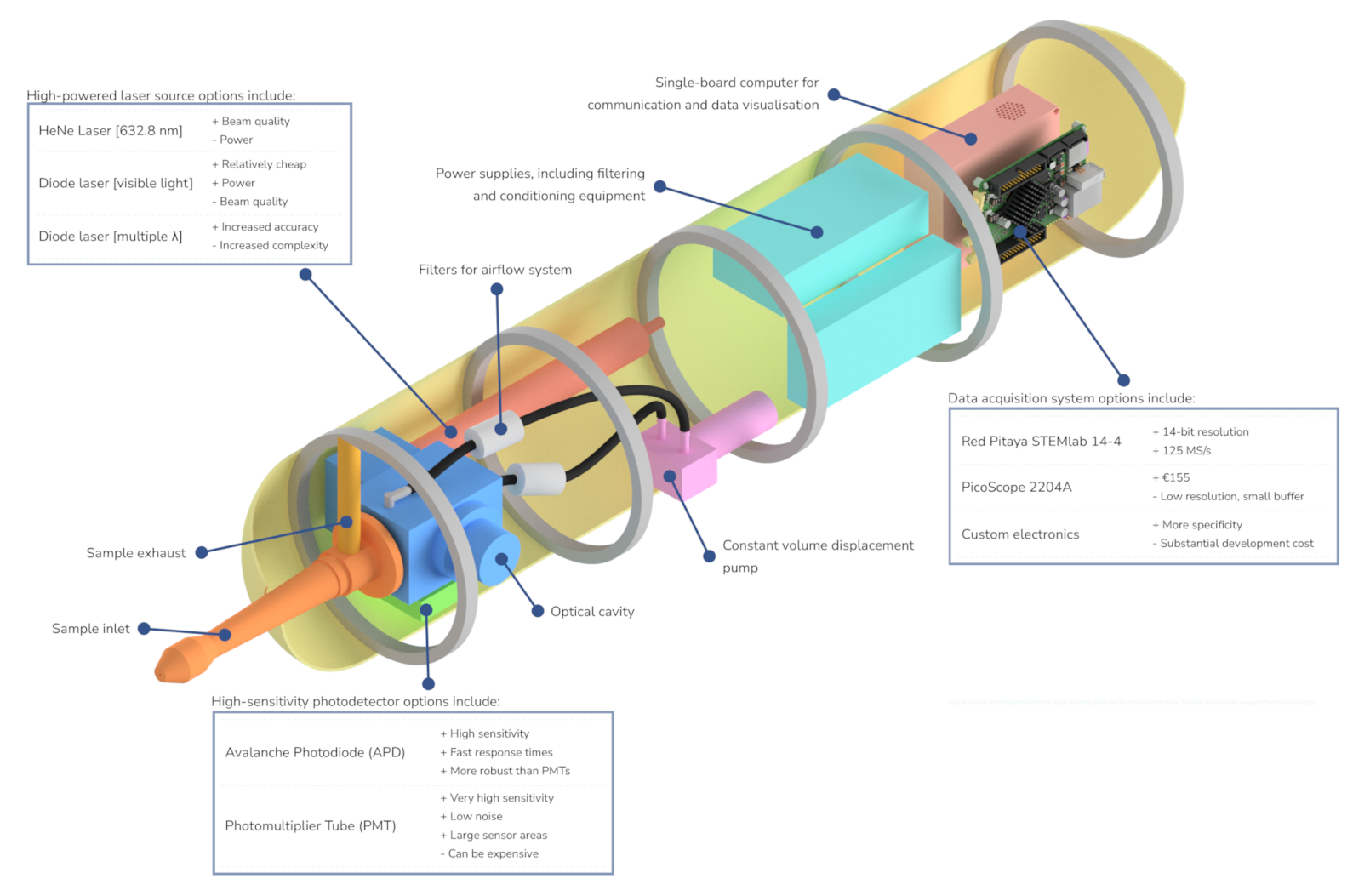
The latest updates to the MetaInstrument have been going well, with the Widgetboost upgrade added successfully. The installation was a bit trickier than expected and you can see Janet installing it in the picture below, the swirling psychadelic colouring is key to the Widgetboost’s improved resolution. It provides colour discriminated noise on a similar scale to the digitiser resolution. This allows us to perform time averaging to trade time resolution for signal resolution. The resulting data accuracy is better than the bit resolution of the digitiser.
Unfortunately one of the departmental professors looked at the Widgetboost through one of the microscopes in the background and made it bigger. So big, in fact, that it was bigger than the MetaInstrument itself. Getting the Widgetboost inside therefore proved challenging.

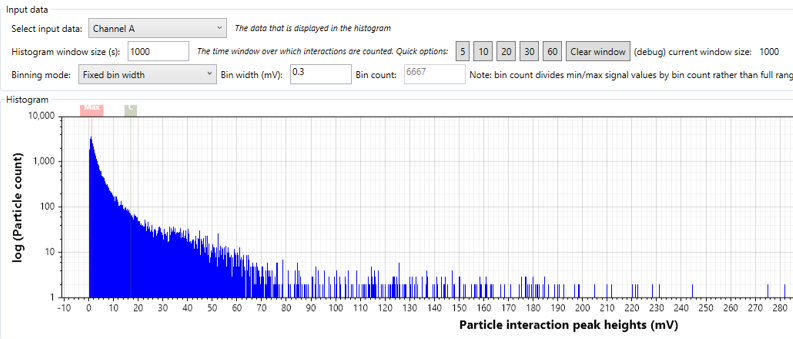
We’ve been testing it out in the field and found that Leeds city centre has a meta concentration of around 100 per cm cubed. Whereas, as we move towards York, the meta increases to around 850 per cm cubed. This general increase in meta as we get closer to York is as predicted by the MetaOffice model, but the magnitude of the change is significantly larger than we would have anticipated. This type of measurement is consistent with the data collected before the Widgetboost upgrade.
Imaging Capabilities
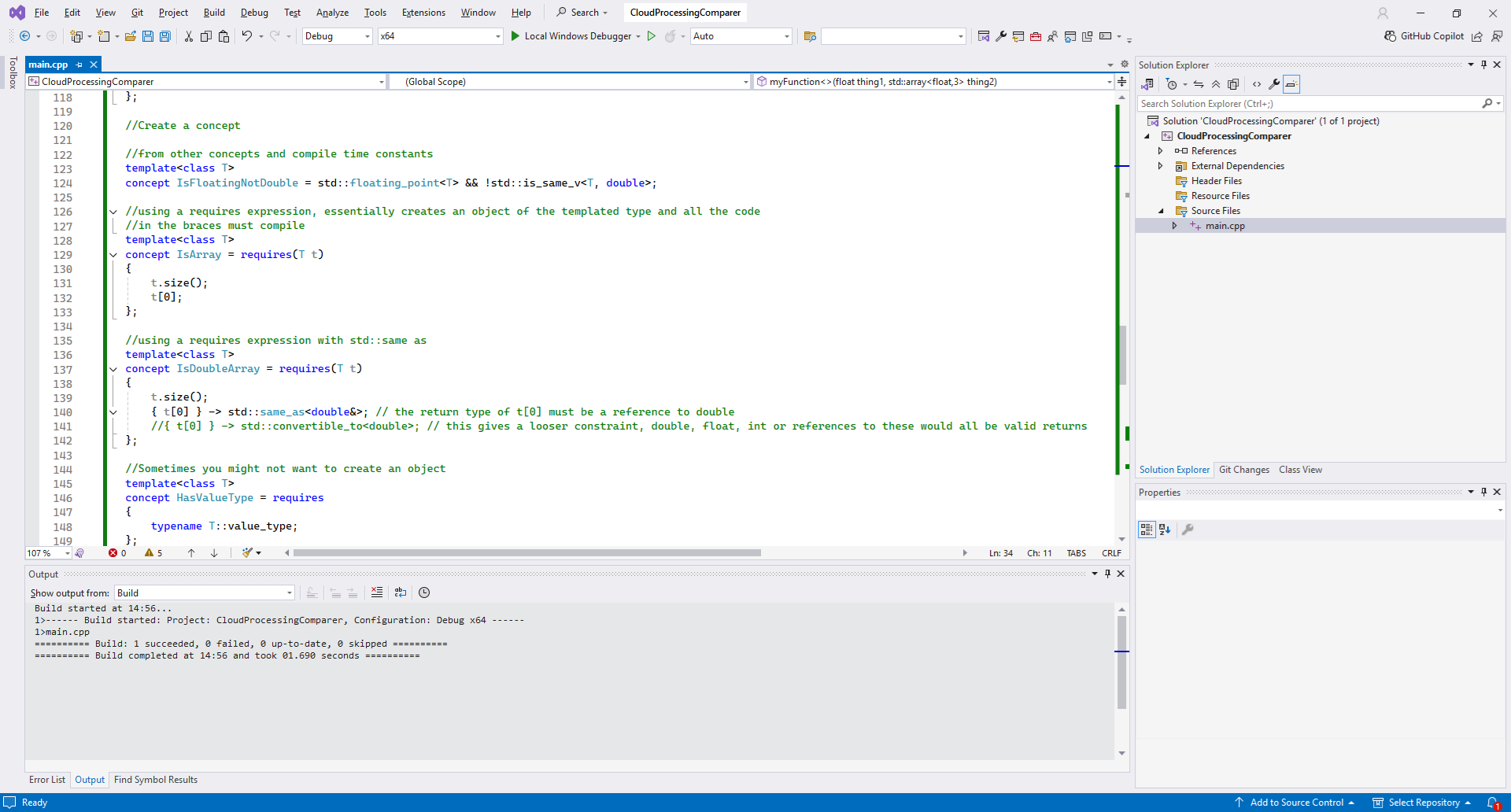
The Widgetboost has given us unprecedented resolution images of metas. Previous iterations of MetaInstrument had confirmed that metas are approximately spherical, multicoloured and tend to cluster together in rings, with one meta in the centre (as predicted by the piggy in the middle theory). We’ve included our latest made up test image below. As you can see, the new upgrade allows us to see the texture on the surface of each meta. This texture is likely to be important for scattering short wavelength light, long wavelength light, medium wavelength light, climate change, air quality and high impact weather such as thunderstorms and drought. It’s also thought to be important in primary and secondary ice formation in clouds, contributing directly to the indirect effect.

We intend to deploy MetaInstrument on the MeD(Ex)2 (Metas Don’t Exist Experiment) provided the funding is forthcoming.
Phil Rosenberg (images supplied by Canva AI and absolutely not real)